 800-607-9786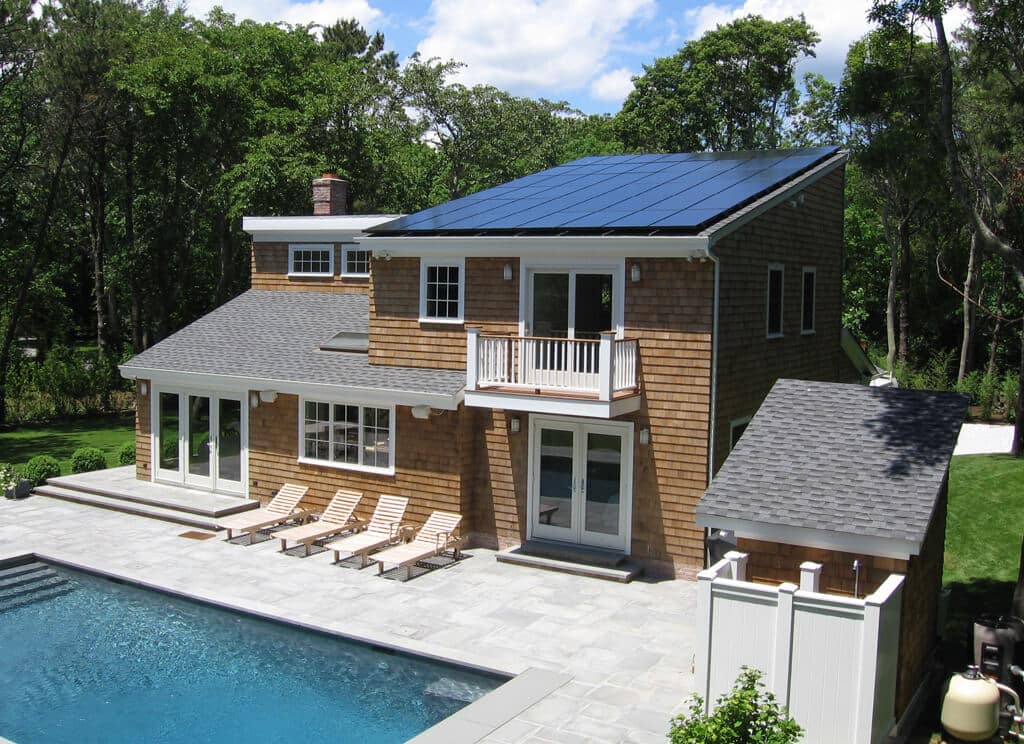
Article at a Glance
- Solar systems reduce electric bills, lower carbon emissions, and offer energy independence.
- Battery storage systems help maintain energy supply during cloudy weather and outages.
- Homeowners can benefit financially through government incentives, financing, and lower utility bills.
- Achieving energy independence starts with consulting solar professionals and maintaining efficient solar panels.
Are you tired of paying sky-high electric bills? Would you like to help improve the environment but need help figuring out where to start? Residential solar systems reduce your carbon footprint and energy costs and ultimately help you achieve energy independence.
Discover why countless homeowners are switching to solar energy and what you can expect on your path to energy independence. The experts at RxSun reveal everything you need to know in this informative guide.
What Is Energy Independence and Why Does It Matter?
Without solar panels or other renewable energy sources, you remain entirely dependent on your electric supplier. Reaching energy independence means producing and storing your energy supply rather than using an outside source. Home solar installation experts encourage everyone to begin producing energy via solar panels or other clean sources since it provides benefits like:
· Reduced utility costs
· Peace of mind amid power outages
· Lower carbon emissions
Even fractional changes to your home’s energy consumption can significantly impact your wallet and the environment. Increasing your energy independence with residential solar systems marks a better future.
Solar Panels Reduce Your Dependence on the Grid
Grid-tied homes without photovoltaic panels must rely entirely on utility companies for their electricity. While this has been the norm for decades, increasing electricity consumption can lead to frequent power failures. Excess strain on the grid may cause your power to go out at any time, leaving you no choice but to wait for the utility companies to restore it.
Investing in solar panels allows you to generate electricity just by letting the sunshine in your home. This solution proves beneficial for grid-tied homes looking to reduce their dependence on outside suppliers and off-grid areas that struggle to receive adequate electricity.
Solar installation professionals will equip your home with secure solar panels that mount to your roof and an inverter that transforms the direct current electricity generated into alternate current electricity that aligns with the grid. You can also invest in a battery storage system for greater energy independence.
The Role of Battery Storage Systems
Say the weather forecast shows several days of clouds and rain. With no sun breaks, your home likely will generate less electric energy than usual, causing you to become more reliant on the grid. However, residential solar systems with battery storage capabilities can stay fully independent.
A streak of bright, sunny days will generate plenty of electricity you might not use immediately. A battery storage system allows you to preserve that excess energy when you need it most, such as during cloudy periods or power outages. It’s worth investing in a battery storage system to get the most benefits from your solar panels, especially if you live in a region prone to grid failure.
Environmental Impact of Residential Solar Systems
Solar energy significantly reduces your home’s carbon footprint by replacing electricity generated from fossil fuels with clean, renewable power. In the United States, only about 21% of electricity comes from renewable sources, while the majority still relies on coal, natural gas, and petroleum. By producing your own power, you directly reduce greenhouse gas emissions and contribute to cleaner air, healthier communities, and long-term environmental resilience. Expanding solar adoption also eases the strain on the grid, supporting grid stability for households that may not yet be able to install solar.
The Financial Benefits of Home Solar Installations
When you first research home solar installation, the upfront cost might deter you from moving forward. However, this project comes with numerous financial benefits along with environmental benefits. Installing photovoltaic panels can help you save money thanks to the following:
· Government incentives
· Financing plans
· Clean energy production that leads to lower utility bills
Adding solar panels to your home can be a significant investment, but it provides long-term savings. Given the drastic decreases in your energy bills, you’ll offset the installation cost and can even use government tax credits to keep more money in your pocket after installation. One of the most significant advantages homeowners notice is how they can power their devices consistently and bypass inflation-related spikes in electric rates.
Understanding the ROI of Home Solar Installations
Residential solar systems offer long-term financial benefits through reduced monthly bills, federal tax credits, and stable energy costs. Most homeowners see a return on investment within 7–12 years, depending on system size, sunlight exposure, and local utility rates. The federal solar Investment Tax Credit (ITC) allows homeowners to deduct a significant portion of installation costs from their taxes, lowering the upfront burden. As electricity prices continue to rise nationwide, solar systems help offset energy inflation and deliver sustained savings over a system’s 25-year lifespan.
Steps to Achieve Home Energy Independence
Residential solar systems are a great way to achieve energy independence, but many homeowners must learn how to begin the process. Start by researching installation companies in your area and other local energy resources. You can contact a reputable solar panel installer for an initial consultation and discuss your conservation goals and the ins and outs of panel installation.
Professionals will explain whether your home is suitable for solar panels based on the direction of the roof and its size and condition. These factors help them determine the cost of your project and the amount of energy you can generate. The installation process concludes by connecting your inverter and testing the energy production.
Additional Read: Steps for Choosing a Solar Company in Chicago, IL
Challenges to Consider Before Going Solar
While solar offers meaningful financial and environmental benefits, homeowners should be aware of a few key considerations. Installation costs vary based on roof condition, home size, and system configuration. Homes with older roofs or significant shading may require upgrades or alternative mounting solutions. Additionally, solar production depends on sunlight availability; while modern panels perform efficiently in diverse climates, energy output can fluctuate seasonally. A reputable solar provider will evaluate your roof structure, energy usage, and long-term goals to ensure solar is the right fit for your home.
Overcoming Common Barriers to Solar Adoption
Many homeowners assume solar energy is not feasible due to their roof’s age, slope, or local climate conditions. Today’s installation methods and system designs offer flexible solutions, including ground-mounted arrays, high-efficiency panels, and customizable configurations for complex roofs. Financing and incentive programs also help reduce upfront costs, making solar more accessible than ever. With expert guidance and a proper home assessment, most homeowners can move forward confidently and achieve meaningful energy independence.
Future Innovations in Home Solar Technology
Solar technology continues to evolve, delivering more innovative and more efficient solutions for homeowners. Advancements in panel materials, inverter capabilities, and energy storage systems are enhancing power output and performance in diverse weather conditions. Emerging technologies—such as perovskite panels, integrated solar shingles, and AI-driven home energy management systems—are expected to enhance reliability and accessibility further. As innovation accelerates, residential solar systems will continue to increase in value and deliver even greater economic and environmental benefits.”
Strengthening Your Home’s Grid Resilience
Solar systems paired with battery storage improve grid resilience by reducing household dependence on aging electrical infrastructure. During outages caused by storms, equipment failures, or peak demand stress, a battery-backed solar system enables your home to continue operating. It contributes to a more stable community grid by reducing demand spikes and supporting overall energy reliability. As climate-related disruptions increase nationwide, this level of resilience is becoming a critical advantage for homeowners.
Boost Your Energy Independence With RxSun’s Expert Solar Installation
Maintain your solar panels for optimum performance. Keeping them running efficiently helps you achieve peak energy independence.
Say goodbye to relying on the grid for your electricity and discover the power of residential solar systems. RxSun specializes in home solar installation and can equip you with high-quality panels, battery storage systems, and more. Call 1-800-607-9786 to learn more.

 1-800-60-RXSUN