 800-607-9786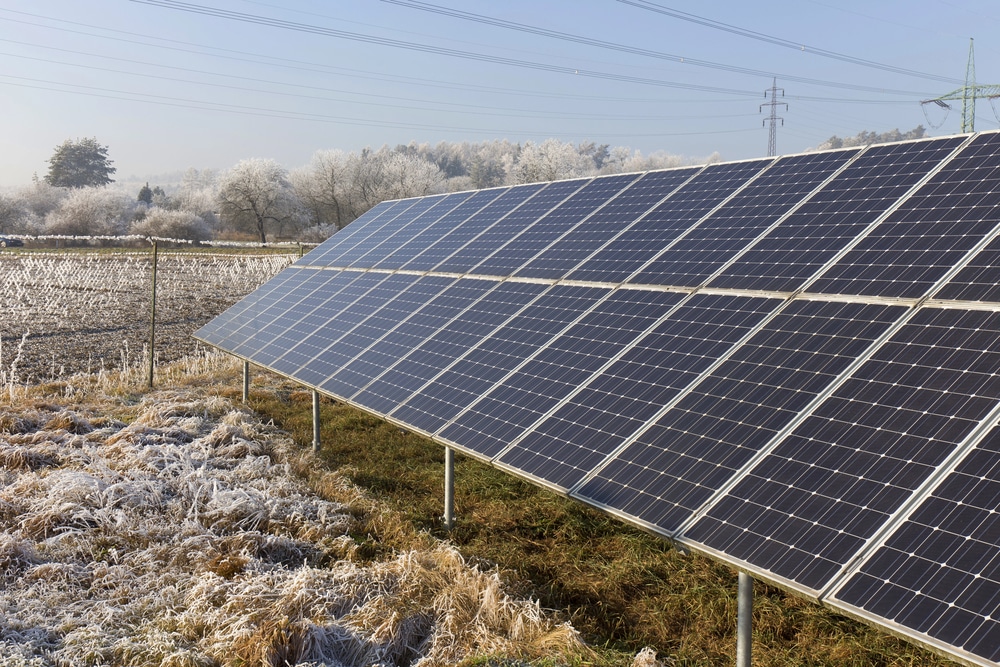
Article at a Glance
- Solar panel efficiency is significantly influenced by the local climate, with factors such as temperature, sunlight hours, and weather patterns playing a crucial role.
- Proper positioning of solar panels, including their tilt and orientation, is essential to maximize energy production based on the geographical location.
- Understanding and addressing these variables can help optimize solar energy systems, ensuring greater efficiency and a higher return on investment.
When considering solar power for your home or business, it’s important to understand how temperature affects solar cell efficiency. Factors like local climate, shade, sunlight exposure, and the positioning of your solar panels play a key role in their performance. This guide explores how these environmental conditions impact solar panel efficiency and energy output, helping you maximize the effectiveness of your solar system.
Role of Climate Conditions in Solar Panel Technology
The local climate directly impacts the performance of panels. Weather conditions, such as temperature, cloud cover, and humidity, determine how much sunlight the panels can absorb and convert into energy. Solar energy conversion is most efficient when sunlight is abundant, but its intensity and consistency depend on your location and climate.
Solar panels operate at optimal efficiency in sunny regions because they can absorb maximum sunlight. However, in areas with frequent cloud cover or rainy conditions, performance may be reduced due to less sunlight exposure.
In hot climates, the intensity of sunlight can provide ample energy but can also cause the panels to overheat. Therefore, understanding how local climate impacts your panels is critical when planning your installation, as sunlight and temperature contribute significantly to energy output.
Solar Efficiency by Location & Geography
How Your Location Impacts Solar Efficiency
Solar panel performance varies significantly depending on where you live. Key geographical factors include:
1. Latitude
- Homes in southern states or lower latitudes receive more direct sunlight throughout the year.
- Northern regions receive less peak sunlight, especially during winter, which slightly reduces annual output.
2. Regional Climate Zones
Different climates produce different performance outcomes:
- Sunny, dry climates (Arizona, Nevada, New Mexico): Highest annual solar output.
- Humid or tropical climates (Florida, Texas): High sunlight but reduced efficiency on extremely hot days.
- Cold, northern climates (Illinois, Michigan, New York): Fewer sun hours but better efficiency in cooler temperatures.
- Coastal climates (California, Oregon): Cloud cover reduces peak output, but mild temperatures maintain stable efficiency.
3. Seasonal Sunlight Variation
- Winter = lower angle sunlight + shorter days
- Summer = the highest generation, but also the highest heat losses
This seasonal difference helps homeowners set realistic expectations for monthly solar output.
Weather Factors That Influence Solar Output
How Different Weather Conditions Affect Solar Performance
Cloud Cover
Even though solar panels still generate energy during cloudy conditions:
- Heavy overcast days can reduce output by 10–25%
- Dense storm clouds may reduce production by up to 50%
Rain
Rain temporarily lowers production but provides a benefit:
- Natural cleaning increases sunlight absorption
- Reduced dust improves long-term efficiency.
Snow
- Light snowfall reduces efficiency temporarily
- Heavy snow blocks sunlight but usually melts quickly due to panel angle + heat absorption.
- Panels in cold climates often outperform those in warm climates annually due to their higher efficiency in cold weather.
Humidity
High humidity scatters sunlight, slightly reducing efficiency, a common occurrence in tropical regions.
Solar Panel Efficiency vs. Temperature
How does temperature affect solar panels?
Sunlight is essential for solar energy, but temperature also impacts performance. As temperatures rise, solar panels become less efficient at converting sunlight into electricity.
For every degree Celsius above 25°C (77°F), efficiency drops by a percentage based on the panel’s temperature coefficient. In hot climates, this can lead to significant energy losses, especially during summer. Proper panel positioning can help reduce these losses. Shading panels during the hottest part of the day is one effective solution.
How Solar Cells Convert Sunlight Into Electricity
It’s helpful to examine how solar cells work to understand the impact of environmental factors on efficiency. When sunlight strikes the surface of a solar panel, it excites electrons within the panel’s semiconductor material, typically silicon.
This process creates an electric current that is converted into usable electricity, a phenomenon known as the photovoltaic effect. Although solar technology advancements have improved panel efficiency, these systems still rely heavily on external conditions such as sunlight and temperature for optimal performance.
A solar system is most effective when exposed to direct sunlight. However, energy conversion can be significantly reduced in regions with indirect sunlight or frequent cloud cover.
Additionally, positioning has a considerable impact on how much sunlight your panels receive. By adjusting the angle of the panels and ensuring they’re free from shading, you can maximize energy production.
Additional Read: How to Get the Most Out of Your Solar Panels Investment
Heat Effects on Solar Panel Efficiency
Heat and Solar Panel Performance
Heat is a major environmental factor that affects solar panel efficiency. This is especially concerning in hot climates, where panels may underperform during summer.
How Heat Impacts Solar Panels
While sunlight is essential for converting solar energy, excessive heat can hinder this process. Higher panel temperatures make photovoltaic cells less effective at generating electricity.
The Role of Temperature Coefficients
Each solar panel has a temperature coefficient, which indicates how much its efficiency decreases as temperatures rise. Although some panels are designed for better performance in high temperatures, most systems experience reduced efficiency in extreme heat.
Improving Efficiency Through Panel Positioning
Proper positioning can help minimize heat’s negative effects. Panels installed in locations with good airflow stay cooler and perform better. Ground-mounted panels often benefit from better airflow compared to roof-mounted ones, which can trap heat.
Using Shading and Reflective Materials
Shading panels during the hottest parts of the day or using reflective materials can help reduce heat buildup. Keeping panels cooler is essential for maintaining consistent energy output.
Additional Read: Tips for Maintaining Your Residential Solar System
How to Combat Temperature-Related Losses
Strategies to Reduce Heat Loss in Hot Regions
- Install panels with better temperature coefficients
- Use raised mounting systems that improve airflow.
- Select a light-colored roofing material to minimize heat absorption.
- Consider ground mounts in extremely hot regions for maximum ventilation.
- Install panels with microinverters, which help reduce the impact of panel-level heat fluctuations.
Optimal Weather Conditions for Solar Panels
Sunny Days and Solar Energy Production
Bright, sunny days with minimal cloud cover provide the ideal environment for solar energy production. During these conditions, panels absorb maximum sunlight, resulting in the highest energy output.
Performance in Cloudy Weather
Solar panels can still produce electricity on cloudy or overcast days, but their efficiency is reduced. Areas with frequent cloud cover or stormy weather will experience lower solar panel efficiency compared to regions with clear skies.
The Role of Temperature
Temperature significantly affects solar panel efficiency. Cooler temperatures allow panels to perform efficiently without the negative impact of excessive heat. This is why moderate climates are often ideal for solar installations, where energy conversion can remain consistent throughout the year.
Wind and Efficiency
Wind can positively impact solar power production. In regions with consistent wind, the airflow helps cool the panels, reducing heat effects and improving overall efficiency.
Optimal Positioning Based on Your Region
Best Panel Orientation & Tilt by Area
Orientation
- In the U.S., south-facing panels generate the most energy.
- East- or west-facing panels still work, but they produce 10–20% less energy than those facing south.
Tilt Angle
The ideal tilt angle depends on your latitude:
- Latitude 20–30° → tilt 10–20°
- Latitude 30–40° → tilt 25–30°
- Latitude 40–50° → tilt 30–45°
Adjustable tilt systems improve seasonal performance but are optional.
Shading Considerations
- Avoid trees, chimneys, and tall buildings
- Even small amounts of shade can reduce output by 30–40%
Roof vs. Ground Mount
- Roof mount: Affordable but often hotter
- Ground mount: Cooler, adjustable, higher efficiency
Maximize Your Solar System Efficiency With RxSun
Temperature and climate significantly impact a solar system’s performance. While sunny weather is ideal for energy conversion, extreme heat can lower output. Proper panel positioning, including minimizing shading and choosing the right location, can help offset these effects.
At RxSun, we help homeowners and businesses maximize solar panel efficiency. Whether you’re in a hot climate or need guidance on panel placement, we’re here to help. Our team can recommend the best solar system for your environment to ensure you get the most from your investment.
We’re passionate about renewable energy and happy to answer any questions. Call us at 800-607-9786 to learn more about optimizing your solar energy with advanced technology.
Additional Read: Residential Solar Power FAQs

 1-800-60-RXSUN